
Deep Dive: Sand filter dial valve edition
Aside from chemistry, regular backwashes are about the only routine maintenance any pool owner needs to perform. It also happens to be the most intimidating task many face. It can be confusing for some to remember what port does what and when to perform a backwash.
To start, let’s look at the lay out of a dial valve and explore what each port does.

Hayward Vari-Flo dial valve
In the photo above, the dial valve is pointed at the filter port. Yes port. The technical name for a dial valve is a Multiport Valve (MPV). According to the above photo, and going clockwise, the ports are as follows:
Filter
Waste
Winterize
Closed
Backwash
Recirculate
Rinse
This layout is same across all of the popular manufacturers which is convenient.
In normal operation, the filter will remain on the filter port until you need to perform a backwash. When that time comes, here are the steps to backwashing.
Turn off the pump
Turn the dial valve clockwise into the backwash port ensuring the notches line up.
Open the waste ball valve if they are installed
Turn the pump back on for 1 - 2 minutes
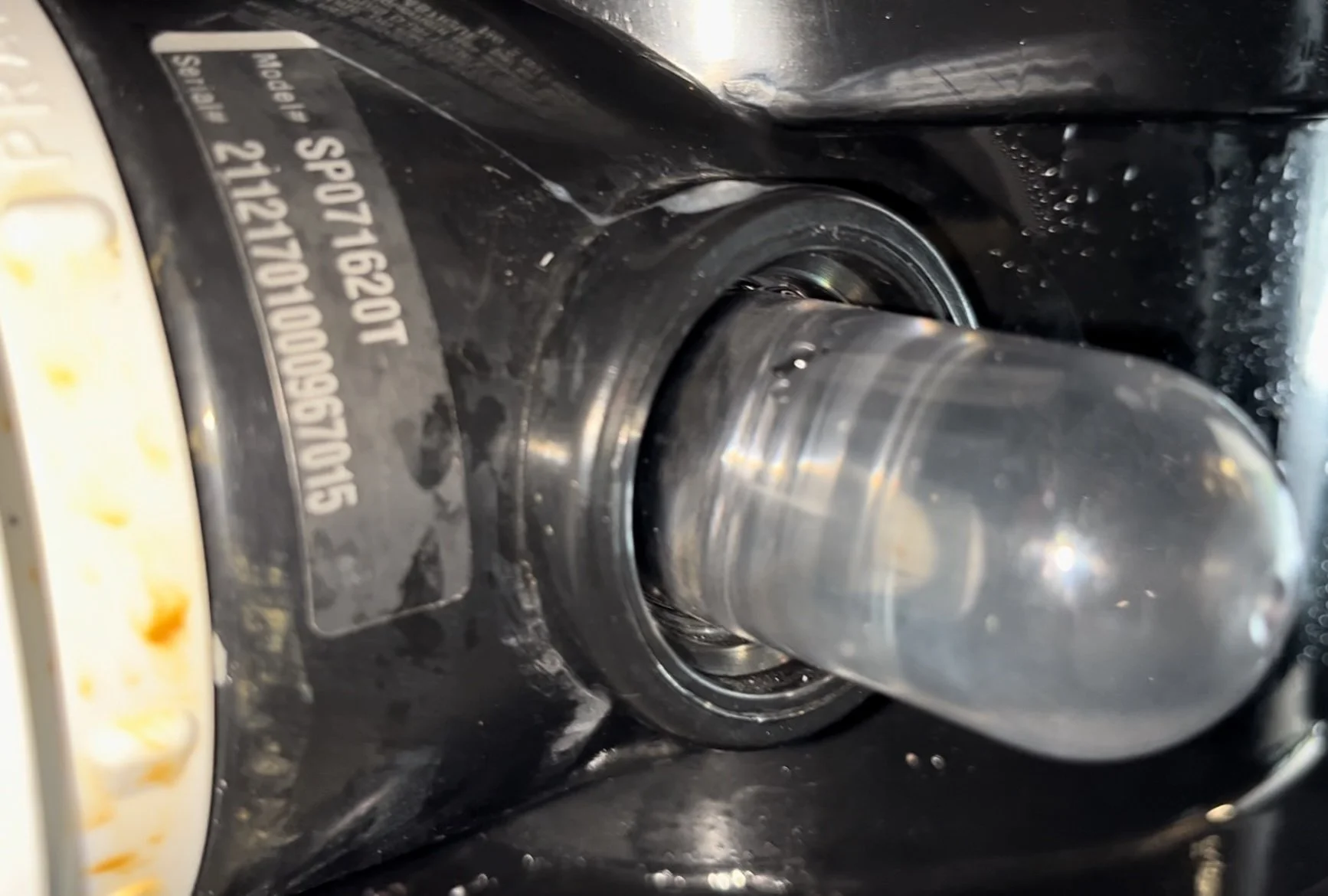
Hayward dial valve sight glass
Your filter should have a clear sight glass to look through as pictured above. When that goes clear, you can turn the pump off
Turn the dial valve clockwise to the rinse port
Turn the pump back on for 20-30 seconds or until the the sight glass is clear again. Don’t turn the pump off too early as there is often fine debris that sill cloud the pool if not fully removed.
Turn the pump off and return the dial valve clockwise to filter and return power to the pump.
Don’t forget to close the backwash ball valve if installed.
There you go, your first backwash!
The other ports are useful as well. Sometimes the swimming pool floor will be extra dirty with fine debris. This fine material is best sent directly to the sewer rather than forcing it into the filter. When you feel its necessary, prepare to vacuum the pool as normal but before commencing, turn off the pump and turn the dial valve to the waste port. This will allow the water to bypass the filter and go straight to the sewer. You will still need to backwash and rinse afterwards. As you are getting rid of some water while vacuuming to the waste port, it’s a good idea to have the garden hose refilling the pool at the same time.
*WARNING* do not ever vacuum to backwash. Doing so will force the filter to work in reverse and will damage filter components.
Another useful port on the filter is the recirculation. Normally you would never need to use it, but if your filter seems to have poor flow, you can check if you have a problem by swapping to the recirculation port for a few minutes. If your flow is dramatically improved, if may be time for a backwash, or if that doesn’t solve the issue, new sand installed.
The final two ports are less commonly used in the Vancouver area. The closed port can be used to stop flow coming back through the filter on a flooded equipment system. Be warned though, this is not 100% effective and may not seal at all. If it doesn’t, don’t stress, just avoid using it and utilize a ball valve instead. The winterize port is where you would turn the dial valve if you were going to winterize your pool. Leaving the valve here will allow the filter to fully drain once you remove the drain plug from the bottom.
Some common issues:
Two of the most common issues are:
A leaking gasket
Sand or rocks stuck in the gasket
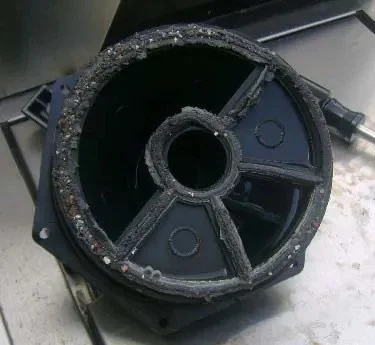
Worn out spider gasket
It the above photo you can clearly see rocks and sand embedded into the filter gasket. Looking to the upper right, you can also see the gasket is separating from the valve portion. Symptoms of this are debris returning to the pool while vacuuming, or the dial valve sticking or sounding gritty when turning. This can be remedied by replacing the gasket and gluing in a new gasket.
Another common problem is the handle spring weakening. When this happens, the water pressure from the pump can force the valve to unseat during normal filtration. This will allow water to leak out through the waste line and cause poor water quality.
KEY TIP: Always turn the pump off before adjusting the position of the dial valve. Failure to do so can cause significant damage or an explosion.